de los colonos alemanes en Chile
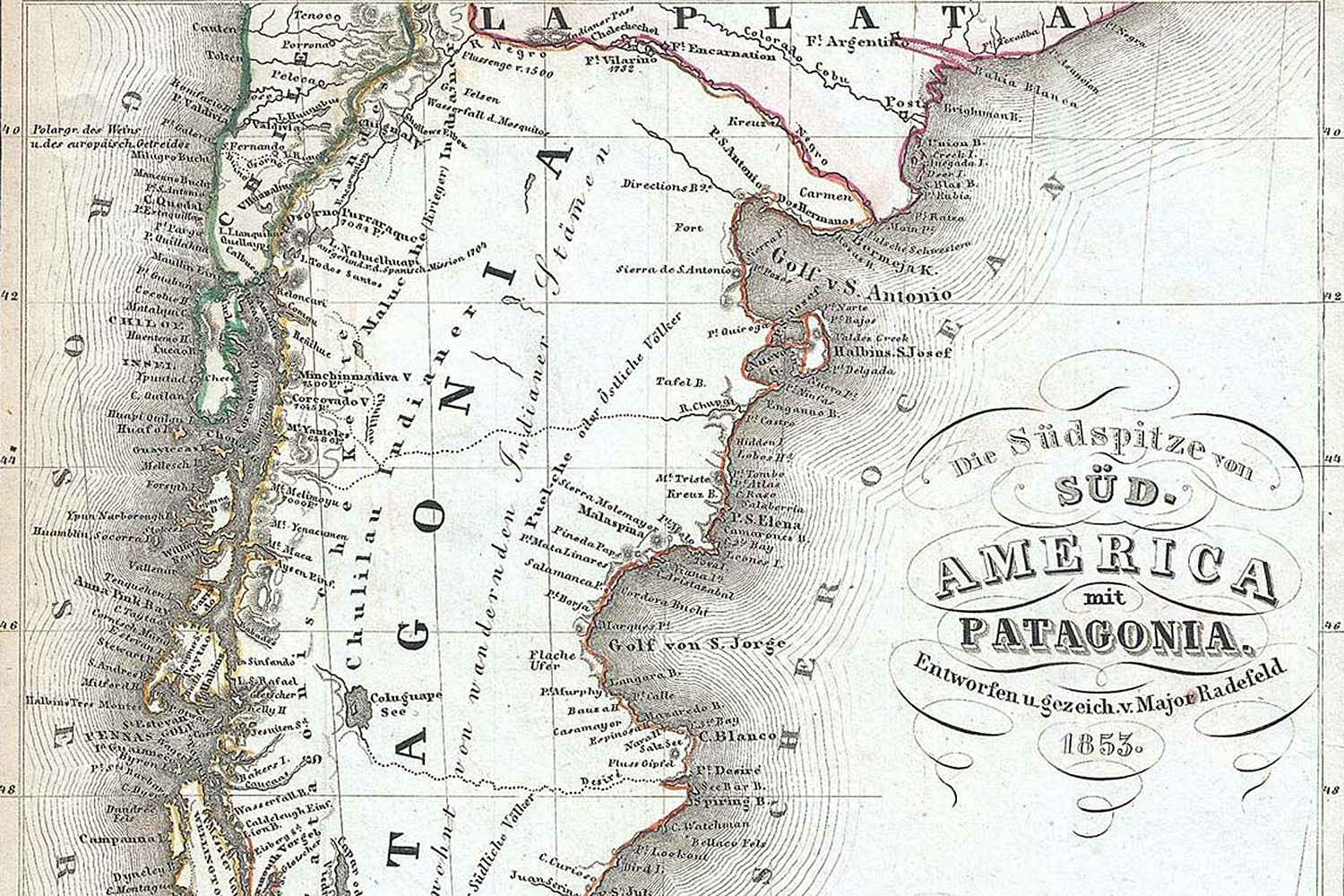
TIERRA INCÓGNITA
Chile acaba de independizarse. Argentina también. Como suele ocurrir con los países recién nacidos, la frontera se traza de forma apresurada: una simple línea recta que sigue las cumbres de la cordillera de los Andes. Una frontera lógica, al menos sobre el papel. Pero mil kilómetros al sur de Santiago, la nueva capital, la cordillera se vuelve baja. Se rompe en valles profundos, salpicados de lagos y nacimientos de ríos.
Chile has just gained its independence. Argentina too. As is often the case with newly formed nations, the border is hastily drawn: a simple straight line following the peaks of the Andes Mountains. A logical border—at least on paper. But a thousand kilometers south of Santiago, the new capital, the mountain range lowers. It breaks into deep valleys, dotted with lakes and river sources.
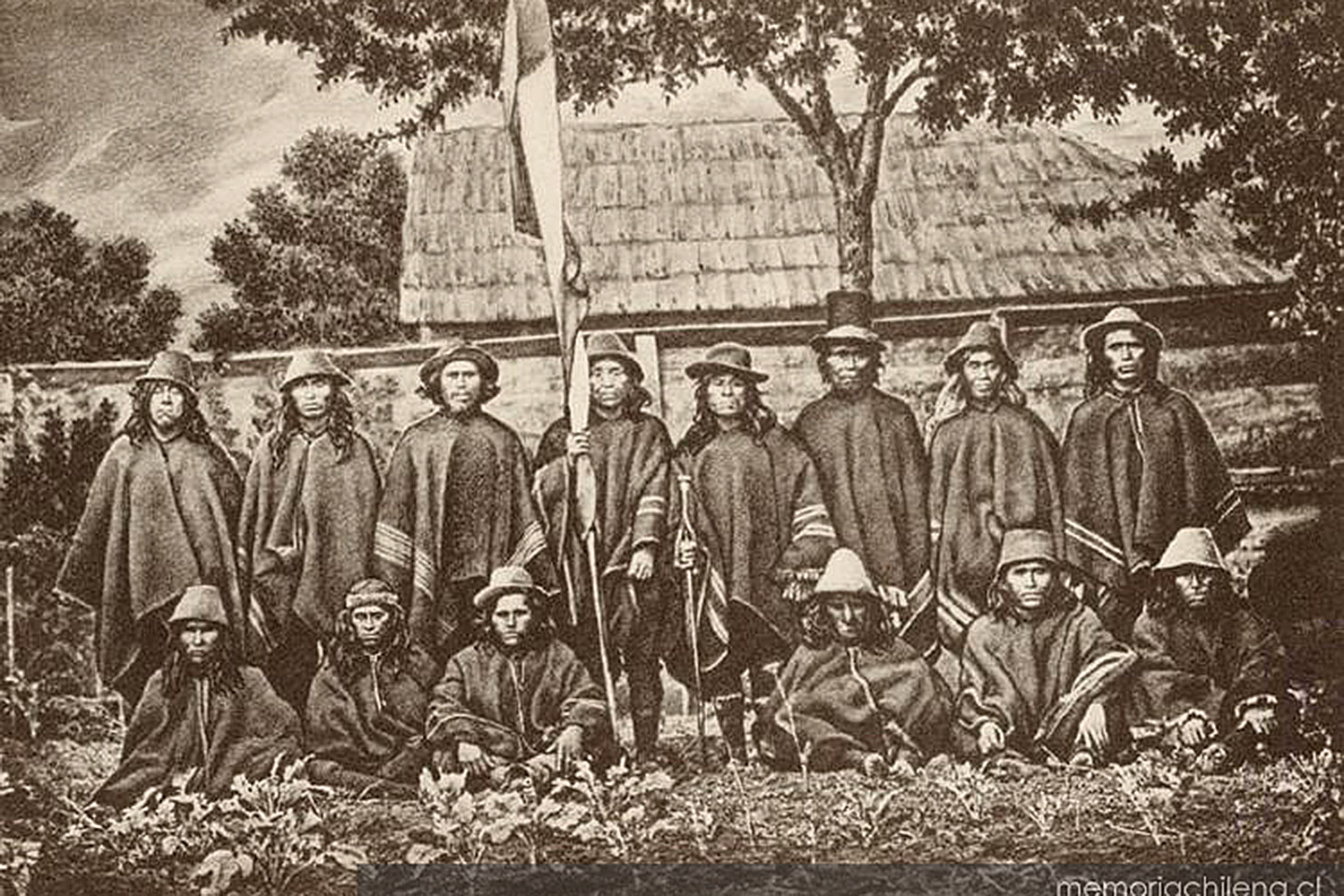
HUILLICHES
Allí, las aguas riegan un suelo volcánico de los más fértiles del continente. Surge una urgencia geopolítica: hay que poblar esa región. Ocuparla. Colonizarla. Los habitantes de esas tierras no son considerados chilenos. Son los Huilliches, primos de los Mapuches. Son pocos, están aislados y no participaron en los conflictos entre los antiguos imperios coloniales.
There, the waters irrigate a volcanic soil among the most fertile on the continent. A geopolitical urgency arises: this region must be populated. Occupied. Colonized. The inhabitants of these lands are not considered Chilean. They are the Huilliches, cousins of the Mapuche. They are few in number, isolated, and did not take part in the conflicts between the former colonial empires.
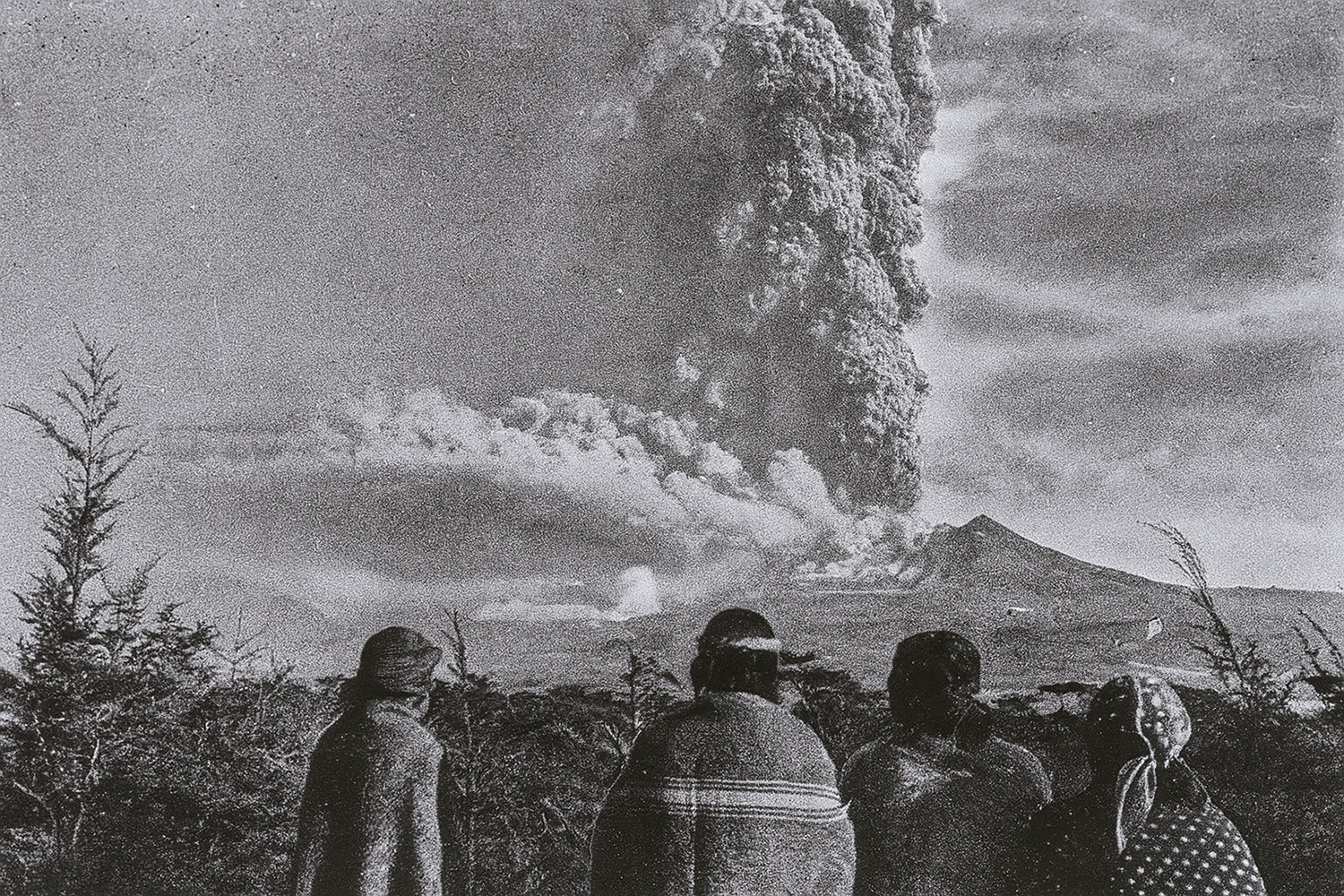
CLIMA, FLORA Y VOLCANES
Tres obstáculos: el clima, la flora y los volcanes. Estas tierras están cubiertas de bosques vírgenes, densos, fríos y húmedos. Nada que ver con las tierras secas del centro de Chile. Los criollos, descendientes de españoles, no tienen la experiencia ni la resistencia para vivir allí. La solución es clara: los únicos colonos capaces de enfrentar este entorno vendrán del norte de Europa. Serán alemanes.
Three obstacles: the climate, the flora and the volcanoes. These lands are covered in virgin forests—dense, cold, and humid. Nothing like the dry lands of central Chile. The criollos, descendants of Spaniards, lack the experience and endurance to live there. The solution is clear: the only settlers capable of facing this environment will come from northern Europe. They will be Germans.
LLEGADA DE LOS ALEMANES
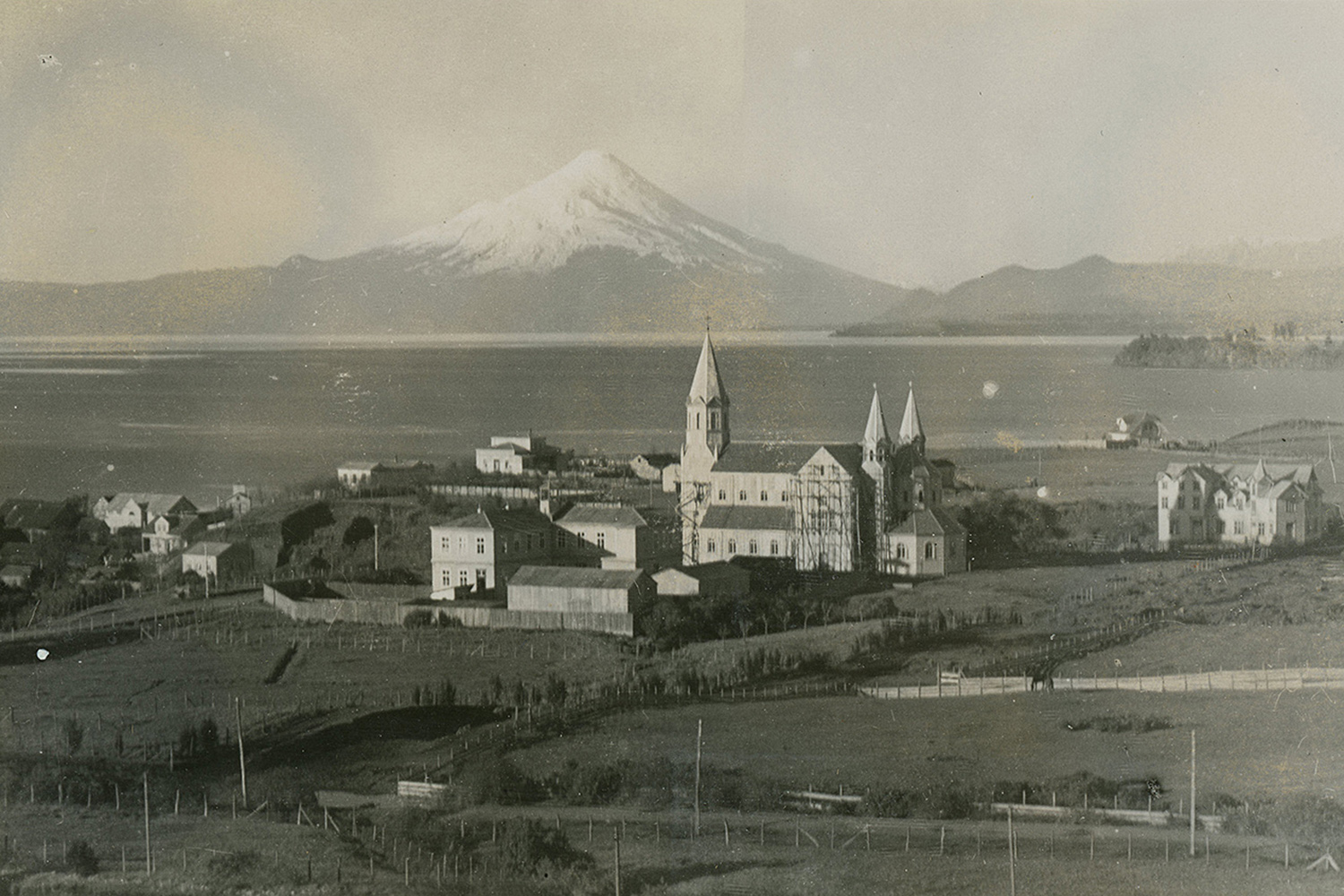
A mediados del siglo XIX, el gobierno chileno lanzó un ambicioso plan de colonización para poblar el sur del país. Fue Vicente Pérez Rosales, enviado del presidente Manuel Montt, quien viajó a Alemania, especialmente a la región de Baden-Wurtemberg, en busca de familias humildes con deseos de un futuro mejor. En 1852, los primeros colonos alemanes desembarcaron en las costas chilenas, atravesaron bosques y ríos, y llegaron a las orillas aún salvajes del lago Llanquihue. Allí fundaron Puerto Varas en 1853.
In the mid-19th century, the Chilean government launched an ambitious colonization plan to populate the south of the country. Vicente Pérez Rosales, sent by President Manuel Montt, traveled to Germany—especially to the region of Baden-Württemberg—to recruit humble families in search of a better future. In 1852, the first German settlers arrived on Chilean shores, crossed forests and rivers, and reached the still-wild shores of Lake Llanquihue. There, they founded Puerto Varas in 1853.
COLONIZACIÓN
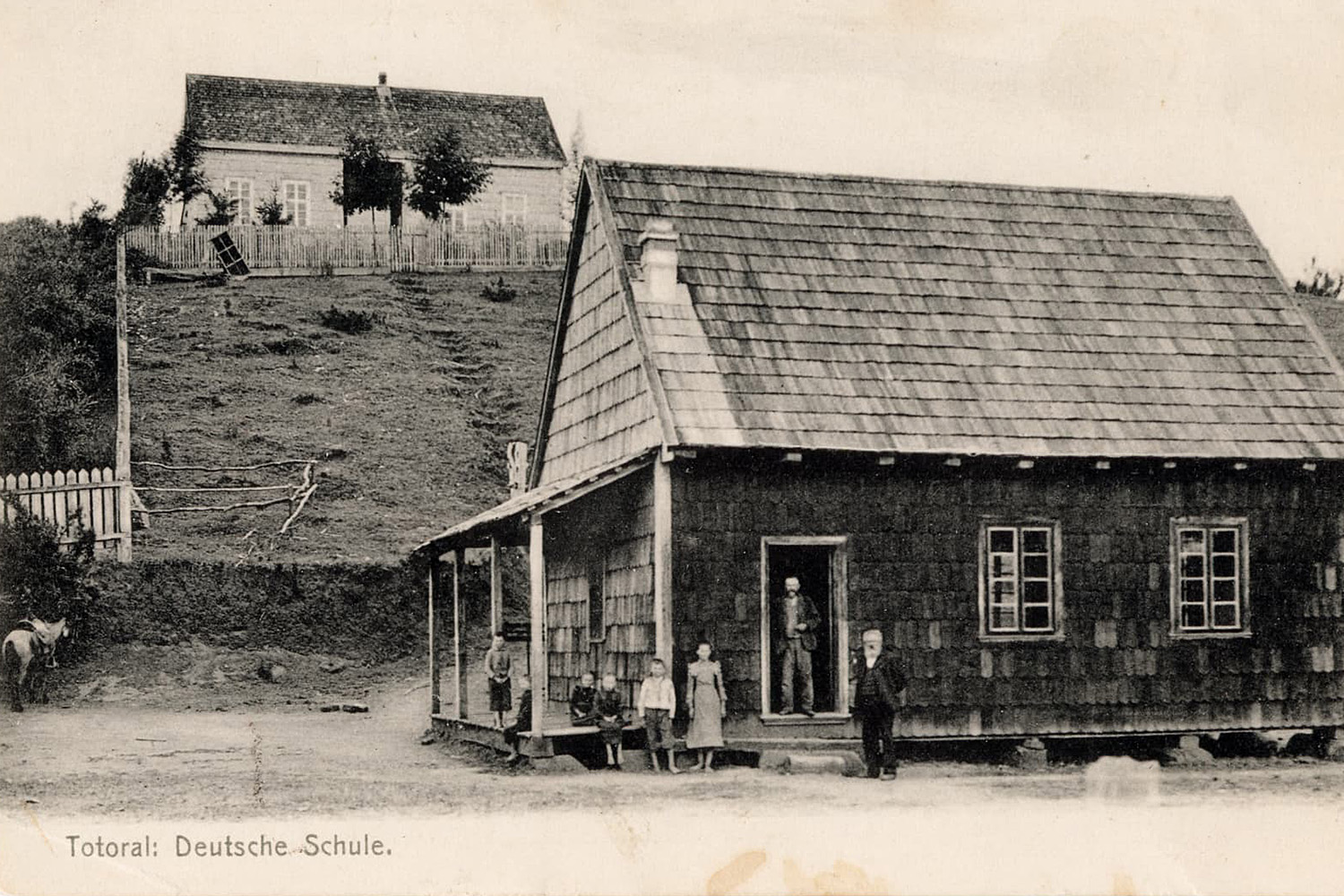
Desmontaron los terrenos, construyeron casas de madera y trajeron consigo sus costumbres, su disciplina y su pasión por el trabajo bien hecho. Poco a poco, nació un pueblo, con iglesias de torres puntiagudas, tejados inclinados, jardines floridos y el aroma reconfortante de la repostería recién horneada. El volcán Osorno, de fondo, parecía velar por esta armonía entre la naturaleza chilena y la cultura germánica.
They cleared the land, built wooden houses, and brought with them their customs, discipline, and a deep passion for hard work. Little by little, a village emerged—with its steepled churches, sloped roofs, flowering gardens, and the comforting scent of freshly baked pastries. Mount Osorno, in the background, stood watch over this harmonious meeting between Chilean nature and German culture.
HERENCIA
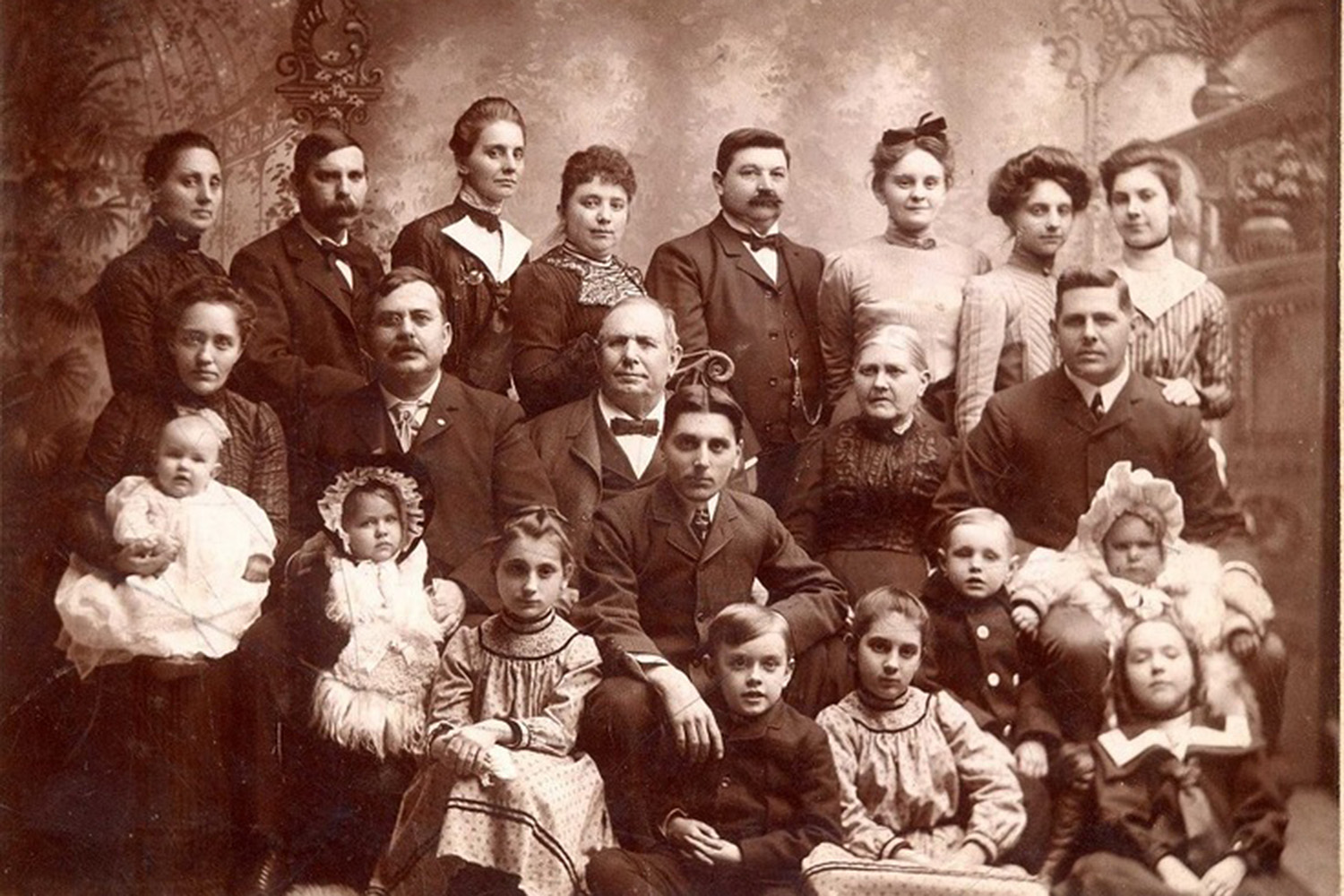
Si Puerto Varas es hoy una ciudad tan hermosa, es gracias a ese legado único: un equilibrio raro entre un paisaje majestuoso y una arquitectura cargada de historia, entre la memoria de los pioneros y la tranquilidad que aún se respira en sus calles.
Puerto Varas is such a beautiful town today thanks to this unique heritage: a rare balance between majestic landscapes and elegant architecture, between the moving story of its pioneers and the peaceful way of life that still lingers in its streets.